Trvalé řešení ztraceného zubu: Co funguje a proč to neznamená jen protézu
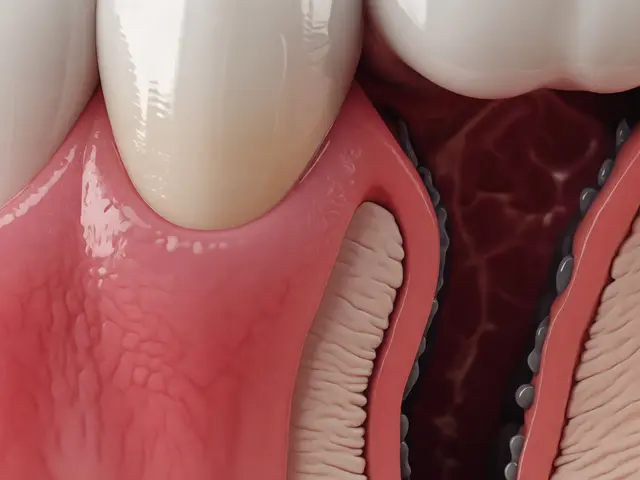
When you lose a tooth, your body doesn’t just notice a gap—it starts changing. The bone beneath it begins to resorb, neighboring teeth shift, and even your bite gets thrown off. A trvalé řešení ztraceného zubu, stálá náhrada, která obnoví funkci i estetiku bez ovlivňování sousedních zubů. Also known as fixní náhrada zubu, it’s not just about looking good—it’s about keeping your jaw healthy, your chewing efficient, and your face from collapsing over time. Many think replacing a missing tooth means getting a removable partial denture, but that’s often just a temporary fix. The real game-changer today is the zubní implantát, kovový šroub, který se přirozeně spojí s kostí a slouží jako nový kořen pro náhradní zub. It’s not magic—it’s science. Implants are placed directly into your jawbone, and over a few months, your bone grows around it. That’s called osseointegration. No other option does that. Dentures and bridges sit on top or require grinding down healthy teeth. Implants? They stand alone, like a real tooth.
So why do people still choose removable prostheses? Cost and fear. Implants cost more upfront, and the idea of surgery makes some nervous. But here’s the truth: a cheap denture might need replacing every 5–7 years. An implant, if cared for, lasts 20 years or more. And modern techniques? They’re far less invasive than you think. Many patients get their implant placed in under an hour with local anesthesia. No hospital stay. No big recovery. You can eat soft food the next day. Plus, if you’ve lost multiple teeth, you don’t need one implant per tooth. Two or three implants can support a full arch of teeth. That’s called All-on-4 or All-on-6. It’s not sci-fi—it’s standard care in Olomouc clinics today.
And let’s talk about what happens if you do nothing. Your jawbone shrinks. Your face looks sunken. You start avoiding crunchy foods. You develop headaches from uneven bite pressure. Even your speech can change. That’s why a zubní protéza, odstranitelná náhrada, která může pomoci, ale nezastavuje ztrátu kosti. is not a long-term solution—it’s a stopgap. It holds space, yes, but it doesn’t stop the damage. Only an implant does. And if you’re not a candidate for implants due to bone loss? There are still options: bone grafting, mini-implants, or hybrid solutions. But skipping treatment altogether? That’s the real risk.
What you’ll find in the articles below are real stories, clear comparisons, and practical advice from clinics in Olomouc. You’ll learn how implants compare to bridges, what the recovery really looks like, why some people get implants and others don’t, and how to avoid the most common mistakes after losing a tooth. No fluff. No marketing hype. Just what works—and what doesn’t.

Zubní implantáty jsou dnes nejpopulárnější řešením pro ztracené zuby. Proč? Protože obnovují kost, neomezují stravu, trvají desítky let a zlepšují celkové zdraví. Není to jen estetika - je to životní změna.
Pokračovat ve čtení